
Most homeowners should consider cleaning their house exterior about once a year, but the ideal frequency depends on the siding material, local climate, and amount of dirt or organic growth. Some homes need cleaning every 6–12 months, while others can remain clean for several years with occasional maintenance. The key is to remove buildup without exposing the exterior to unnecessary pressure or water damage.
Knowing how often to pressure wash your house exterior helps maintain curb appeal, remove stubborn dirt, and identify potential maintenance problems early. However, pressure washing is not suitable for every surface. Vinyl siding, painted wood, stucco, and roofing materials may require gentler cleaning methods to prevent damage.
Before scheduling an exterior cleaning, consider your home's condition, the surrounding environment, and the safest cleaning method for each material.
How Often Should You Pressure Wash Your House Exterior?
For many homes in the United States, an annual exterior inspection and cleaning as needed are a practical starting point. The exact schedule depends on the surface and how quickly dirt, algae, mildew, and other contaminants accumulate.
Here is a general guide:
Vinyl siding: Clean approximately once a year or when visible buildup appears, using an appropriate low-pressure method.
Painted wood siding: Clean as needed, often annually, with gentle washing to protect the paint and wood.
Stucco: Inspect regularly and clean when needed using a method suitable for the finish.
Brick and masonry: Clean periodically when dirt or staining becomes noticeable, using appropriate pressure and cleaning products.
Concrete driveways and walkways: Clean annually or as needed, depending on traffic, staining, and weather exposure.
Wood decks and fences: Clean when necessary using a suitable cleaner and gentle technique; frequent pressure washing can damage wood fibers.
These are starting points rather than strict schedules. If your home stays relatively clean, you may not need a full exterior wash every year. If it is surrounded by trees or exposed to persistent moisture, more frequent attention may be necessary.
Factors That Affect How Often You Should Pressure Wash
Several environmental and property-related factors influence how quickly your home's exterior becomes dirty.
1. Climate and Humidity
Homes in humid parts of the United States, including portions of the Southeast and Gulf Coast, may develop algae and mildew more quickly than homes in drier climates.
Frequent rainfall, damp conditions, and limited sunlight can encourage organic growth on siding, fences, and other exterior surfaces.
In dry regions, dust and airborne particles may accumulate instead. The cleaning method should match the type of buildup rather than relying on pressure alone.
2. Trees and Landscaping
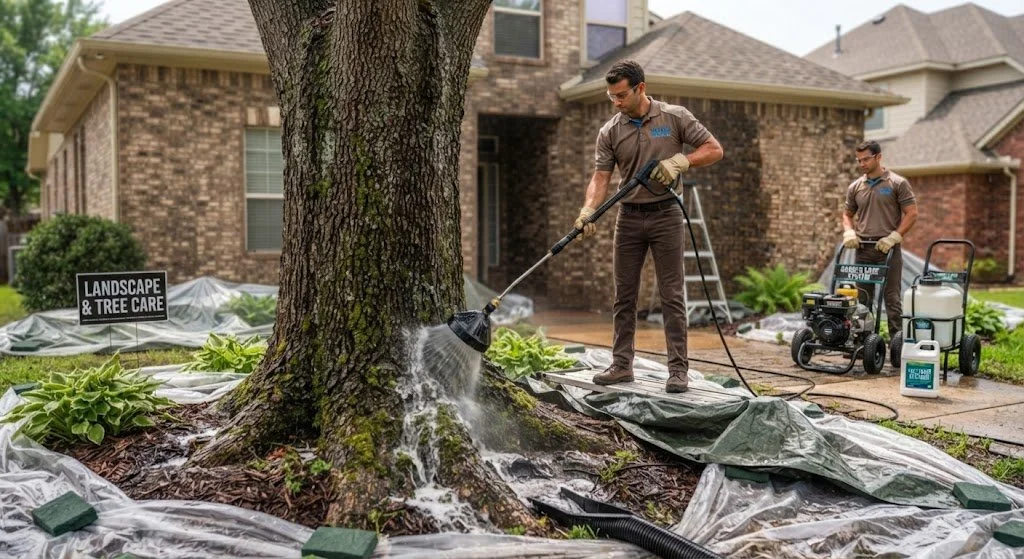
Trees provide shade and improve a home's appearance, but they can also contribute to exterior dirt and moisture.
Falling leaves, pollen, sap, and organic debris may collect on siding and nearby surfaces. Shaded walls can also remain damp longer, encouraging algae growth.
If your home is surrounded by mature trees or dense landscaping, inspect shaded walls more frequently. Trimming vegetation away from siding can improve airflow and reduce moisture buildup.
3. Siding Material and Condition
Not all exterior materials tolerate the same cleaning methods.
Concrete can generally withstand more pressure than painted wood or fragile stucco, provided the concrete is in suitable condition. Vinyl siding may be damaged if water is forced behind its panels, while wood can become rough or splinter when exposed to excessive pressure.
Older paint, cracked siding, loose trim, and deteriorating surfaces require additional caution. Cleaning may need to be postponed until repairs are completed.
4. Nearby Roads and Construction
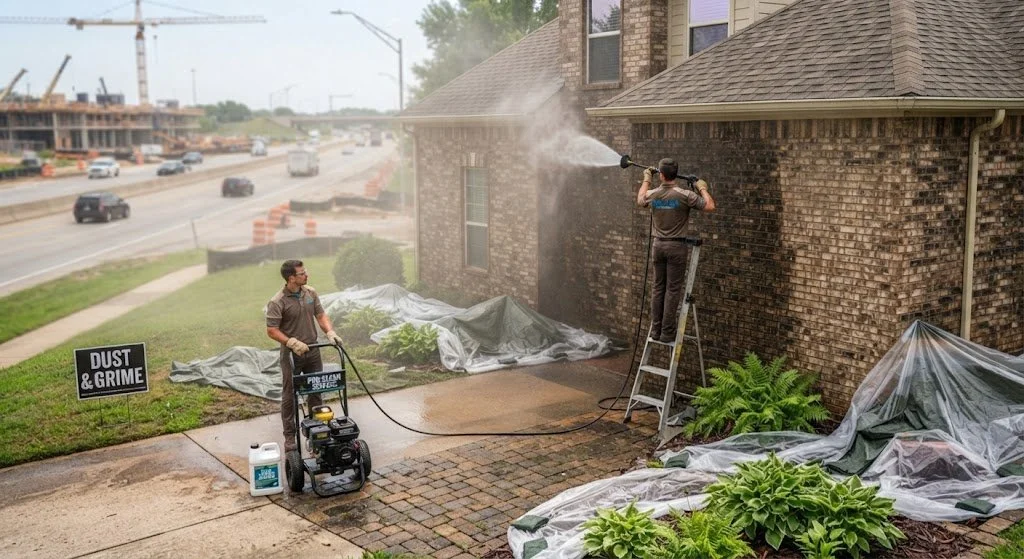
Homes close to busy roads, construction sites, or unpaved driveways may accumulate dust, exhaust residue, and airborne debris faster than properties in quieter areas.
In these conditions, localized cleaning may be more practical than washing the entire exterior frequently.
5. Previous Maintenance
Regularly removing loose dirt, clearing gutters, and addressing moisture problems can reduce the amount of buildup on your home's exterior.
If your siding has a suitable protective finish and remains in good condition, it may require less frequent deep cleaning than a neglected surface.
Signs Your House Exterior Needs Cleaning
Rather than following a calendar alone, look for visible signs that cleaning is necessary.
Green or black patches: Algae or mildew may be growing on damp, shaded surfaces. Identify the cause and choose an appropriate cleaner.
Visible dirt and dust: Wind, traffic, and construction can leave a noticeable film on siding and trim.
Pollen and cobwebs: These commonly collect around windows, corners, eaves, and covered entrances.
Stubborn driveway stains: Oil spots, tire marks, and accumulated grime may require targeted cleaning.
Organic debris: Leaves and other plant material can hold moisture against exterior surfaces.
Not every stain requires pressure washing. Some marks may need a surface-compatible cleaner, while persistent discoloration, damaged paint, or recurring moisture may require further investigation.
Is Pressure Washing Safe for Every House Exterior?
No. Pressure washing can damage certain materials when the pressure, nozzle, or technique is unsuitable.
Vinyl siding, painted wood, stucco, and delicate finishes often benefit from low-pressure washing or soft washing. Concrete and some masonry surfaces can tolerate stronger pressure, but damaged or decorative surfaces may still require gentler treatment.
For routine siding maintenance, start with a garden hose and a suitable exterior cleaner when possible. If using a pressure washer, follow the siding manufacturer's instructions, select an appropriate nozzle, and test an inconspicuous area first.
Never direct water upward beneath siding panels or into gaps around windows and doors. Avoid using a pressure washer from an unstable ladder, and take precautions around electrical components.
If your home has fragile surfaces, extensive damage, or difficult-to-reach areas, professional exterior cleaning may be the safer option.
How to Keep Your House Exterior Clean Longer
You can reduce the need for frequent deep cleaning by following a few simple maintenance practices.
Inspect Your Exterior Regularly
Check siding, trim, porches, and other exposed surfaces at least once a year. Look for dirt buildup, algae, peeling paint, cracks, and signs of moisture intrusion.
Keep Gutters and Drainage Clear
Blocked gutters and poor drainage can cause water to run down exterior walls or collect near the foundation. Correcting these problems helps protect the home's exterior.
Manage Vegetation
Trim branches and vegetation that touch the siding. Improving airflow and reducing prolonged shade can help some surfaces dry more quickly.
Clean Small Areas When Needed
Remove isolated dirt or stains before they spread. Spot cleaning can be more appropriate than pressure washing the entire house.
Use the Right Cleaning Method
Choose a cleaning solution designed for the surface and follow its instructions. Avoid aggressive pressure when a gentle rinse or soft washing can achieve the same result.
Frequently Asked Questions
Is it okay to pressure wash your house every year?
Annual cleaning can be appropriate for some homes, but it is not necessary for every property. Inspect the exterior and clean when buildup warrants it, using a method suitable for the siding.
Can pressure washing damage house paint?
Yes. Excessive pressure can strip paint, create chips, and damage the underlying material. Painted surfaces generally require careful, low-pressure cleaning.
What is the best time of year to pressure wash a house?
Spring and fall can offer convenient conditions in many parts of the United States. However, choose a time when temperatures and weather suit the cleaning products and equipment, and allow surfaces to dry properly.
Should I pressure wash my house before painting?
Cleaning is often an important preparation step before exterior painting. However, pressure must be controlled to avoid damaging the siding. Allow the surface to dry fully and complete any necessary repairs before painting.
Is soft washing better than pressure washing for siding?
Soft washing is often preferable for vinyl siding and other delicate exterior materials because it uses lower pressure and suitable cleaning solutions. The best method depends on the siding manufacturer's recommendations and the type of buildup.
Does pressure washing increase home value?
Cleaning a dirty exterior can improve curb appeal, but pressure washing alone does not guarantee an increase in property value. Its main benefits are appearance and routine surface maintenance.
Final Thoughts
How often you should pressure wash your house exterior depends on the climate, siding material, surrounding environment, and visible buildup. For many homeowners, inspecting the exterior annually and cleaning it as needed is a sensible approach.
Avoid pressure washing simply because a year has passed. Choose the least aggressive method that effectively cleans the surface, address moisture problems promptly, and protect vulnerable materials from excessive pressure. With the right maintenance routine, you can keep your home's exterior looking clean while reducing the risk of avoidable damage.